

Not sure which Caribbean/West Indies tour to choose? Click to see a complete listing and comparison of all our Caribbean trips.
The Lesser Antilles comprise a string of small volcanic islands forming the boundary between the Caribbean Sea and the Atlantic Ocean. While they don't normally jump to mind as an important birding destination, collectively these exotic islands host a highly threatened avifauna including many endemics that most birders never have an opportunity to experience. We will visit ten islands, nine of which (Barbados, Grenada, St. Vincent, St. Lucia, Martinique, Dominica, Guadeloupe, Montserrat, and Barbuda) are each home to at least one endemic species. Antigua, our tenth island, is an important transportation hub and a great place to search for migrant shorebirds and waterfowl, including White-cheeked Pintail and West Indian Whistling-Duck. We will spend one or two nights on several of the islands, with the final three nights on Antigua, which will serve as a base for visiting Montserrat and Barbuda. Accommodations in the islands are in comfortable hotels, some right on the beach, and most island hopping will be done via short airline flights (we may include a short ferry ride for some travel).
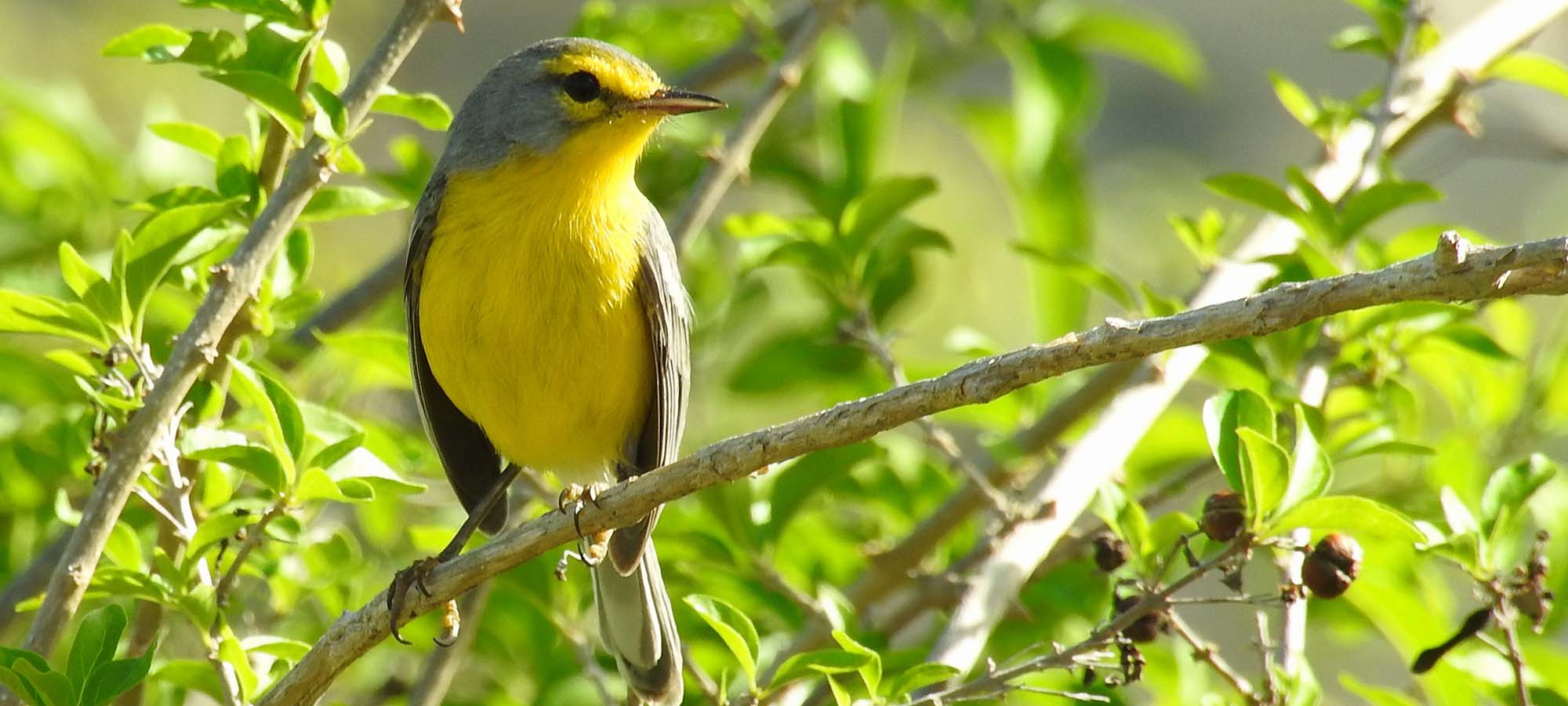
Of the 45 or so Caribbean specialties possible on this tour, 30 are endemic to the Lesser Antilles and the Virgin Islands. Of these, 11 are listed by BirdLife International as threatened. In spite of their rarity, all but one of these endemics has been seen on our previous tours. The only species we’ve missed may now be extinct: Saint Lucia's little-known Semper's Warbler, which has not been confirmed since 1967. With our return to the volcano-ravaged island of Montserrat, the addition of a visit to the little-birded island of Barbuda, and a stop on Barbados, (home of the endemic Barbados Bullfinch), we now have a very good chance of encountering all the extant Lesser Antillean endemics.
The natural habitat on most of these islands has been significantly fragmented and altered by human settlement. Accounting for the scarcity of many endemic birds. However, conservation efforts on most islands have been very effective and public awareness of the unique nature of this island avifauna has been elevated to new heights. Several species, especially the four Amazona parrots, have greatly benefited. Since good birding habitat is so localized or usually confined to the highlands on most of these islands, a single morning's visit to one trail in appropriate habitat is usually sufficient for seeing all of an island's specialties. This should enable us to be quite flexible with our afternoon schedules, allowing time to laze on a sunny beach or tour other sites on the islands.
Select the KEY INFO tab or click here for our itinerary plus space requests, status, fees, limits, and guides for any departure.